EC Advertising in Bulgaria
As evidenced by these pictures from Bulgaria, some European countries allow advertising of over-the-counter medical products. This particular ad is for EC and has been placed on the side of a shopping cart.



"Expanding knowledge and access
to emergency contraception"
"Expanding knowledge and access to emergency contraception in Europe"
July 2025. In February 2025, an organization in Italy submitted a formal request to reclassify emergency contraceptive pills with ulipristal acetate (UPA). The request cited findings from a proof-of-concept study that explored the potential use of UPA for medical abortion. Since becoming available without prescription in 2015, UPA emergency contraception has played a significant role…
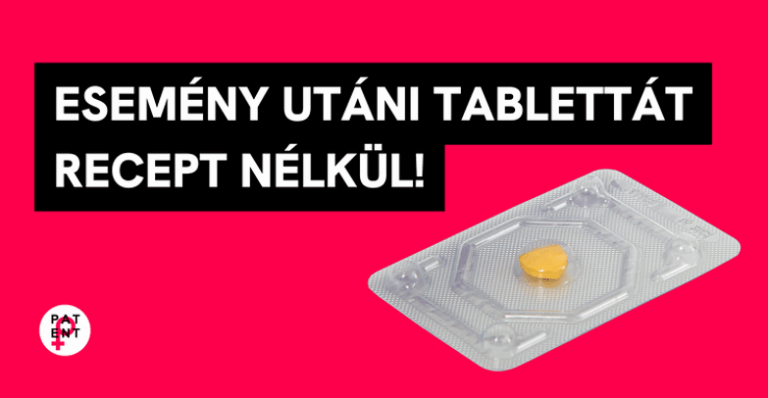
May 2026. The Hungarian women’s rights organisation PATENT Association is running a campaign calling for the reclassification of emergency contraceptive pills (ECPs) to make them available without prescription in Hungary. The campaign, Magyarországon is legyen recept nélkül kapható az esemény utáni tabletta! (or “Make emergency contraception available over the counter in Hungary”), highlights the unnecessary…
October 2022. A portion of sexually active women do not use contraception, because they do not have sex frequently. The on-demand use of levonorgestrel 1,5 mg pills is being studied, and could expand the choice of contraceptives for those who have infrequent sex and thus, do not want to use a regular method, but do…
May 7, 2020. The Council of Europe Commissioner for Human Rights published today a statement calling for the protection of women’s sexual and reproductive health and rights during the pandemic. Among others, the statement calls upon member states to consider access to abortion care, contraception, including emergency contraception, and maternal healthcare, as essential health care services…
July 2020. A mystery shopper study recently published in the BMJ Sexual & Reproductive Health (PMID:32554399, Full text) explores the standard of care around accessing EC from community pharmacies in the United Kingdom. The study concludes that while availability of EC from pharmacies has improved access, the need to have a consultation with a pharmacist introduces…
A health group in Scotland is calling on government Ministers to allow school nurses to dispense emergency contrantraception to students. The Scottish Sexual Health Lead Clinicians Group suggests that nurses could dispense condoms and emergency contraception to school children in order to help reduce teen pregnancy rates, which have been holding steady at 7.1 per 1,000…
Menú