EC Advertising in Bulgaria
As evidenced by these pictures from Bulgaria, some European countries allow advertising of over-the-counter medical products. This particular ad is for EC and has been placed on the side of a shopping cart.
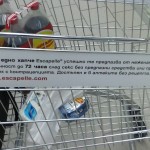


"Expanding knowledge and access
to emergency contraception"
"Expanding knowledge and access to emergency contraception in Europe"
February 2026. As of 1 February, levonorgestrel emergency contraceptive (EC) pills are available for sale in pharmacies and drugstores in Japan. Currently, only one brand of EC pills has been approved for non-prescription sale. The manufacturer’s suggested retail price is 7,480 yen: approximately USD 48 (Source: https://www.daiichisankyo-hc.co.jp.) According to ECEC data, prior to the regulatory…
The International Consortium for Emergency Contraception shared an updated summary of studies on the theme of safety of EC pills in ongoing pregnancies. We hope you find it useful for your work. “Evidence continues to accrue confirming that emergency contraceptive pills (ECPs) do not harm a developing fetus if they are mistakenly taken early in an…
December 2018. The World Health Organization (WHO) recently launched two new Apps for healthcare providers advising women on contraception. The “Humanitarian settings contraception” App, is intended for front-line health care providers to help women initiate contraception in humanitarian and emergency settings. More information here. The “WHO MEC” App, will facilitate the task of family planning…
June 2017. A new survey and a web discussion have provided new data about whether and how Italian women’s awareness of and access to EC has changed following the availability of UPA EC without a prescription in 2015. According to this data, 90% of the women consulted consider EC useful and 91% think it is effective; but on…
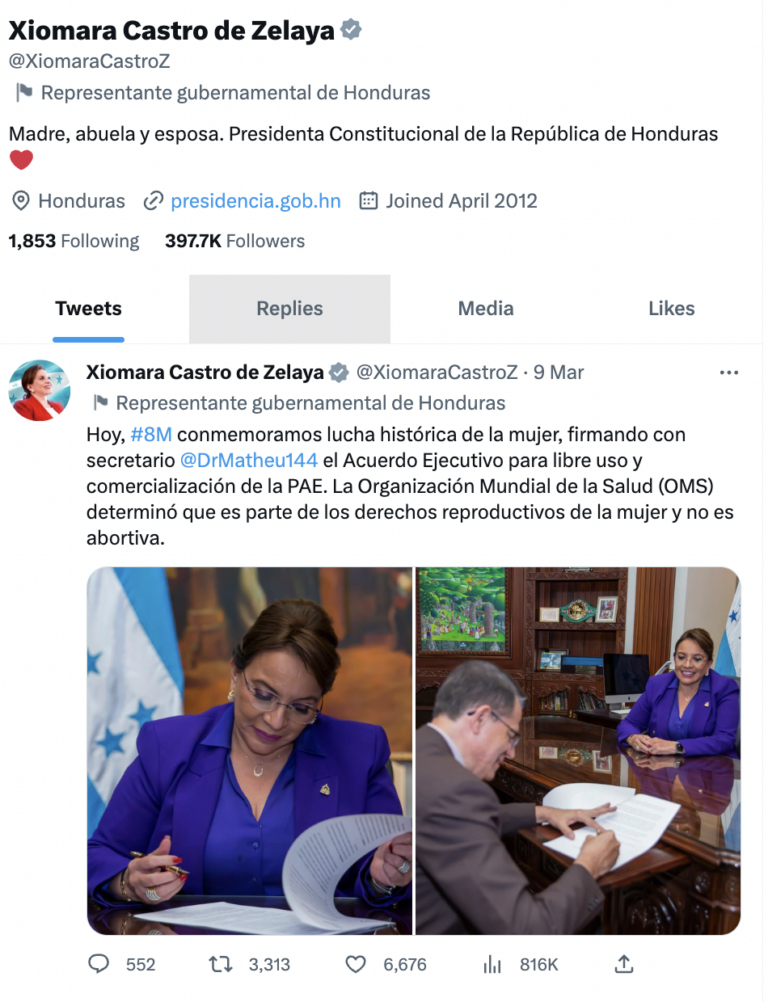
March 2023. Honduras’ President Xiomara Castro announced on March 8 that emergency contraception pills will be allowed to be marketed and used in the country. According to Reuters, the President “signed an executive order ending a ban of more than 10 years on the use and sale of the “morning after pill,” fulfilling a campaign…
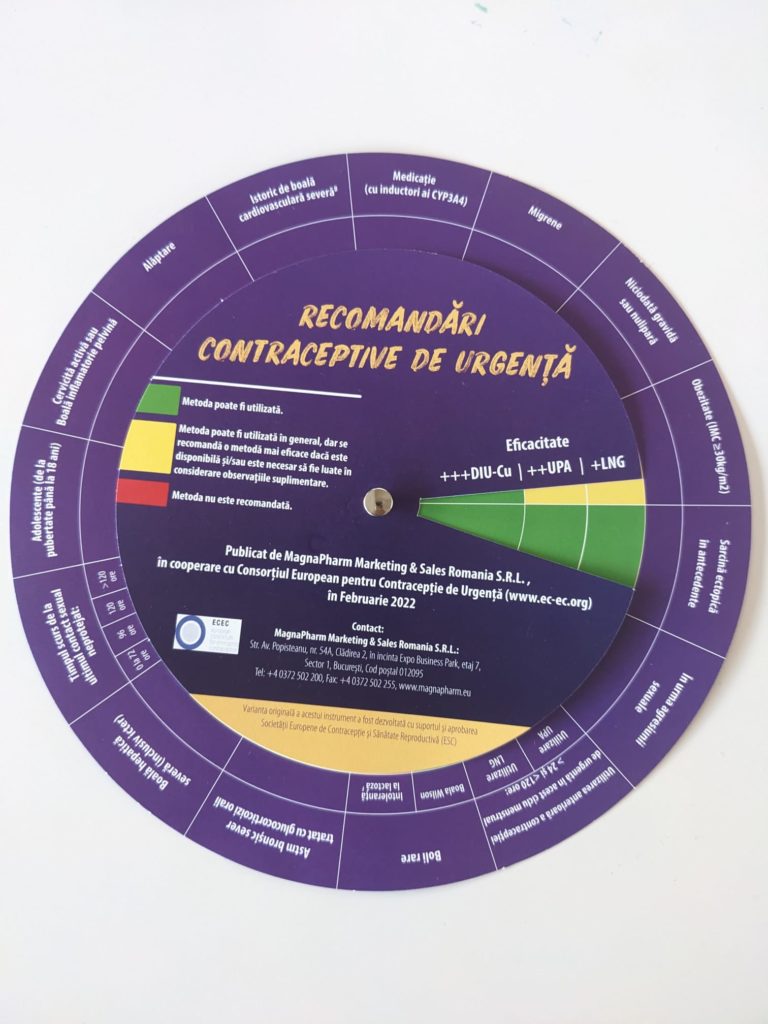
In Romania, MagnaPharm has translated and adapted the EC Wheel to help strengthen pharmacists’ knowledge on EC methods and counseling. The EC Wheel was developed in 2016 by ECEC with financial and technical support from the European Society of Contraception and Reproductive Healthcare (ESC). This tool summarizes the UK Faculty of SRH and WHO’s recommendations…
Menú