Spain: EC use drops due to the pandemic
July 2021. According to the Spanish Society of Contraception (SEC), use of emergency contraception pills dropped among women aged 25 to 30 and 35 to 40, from 38% to 2,7. Read more here: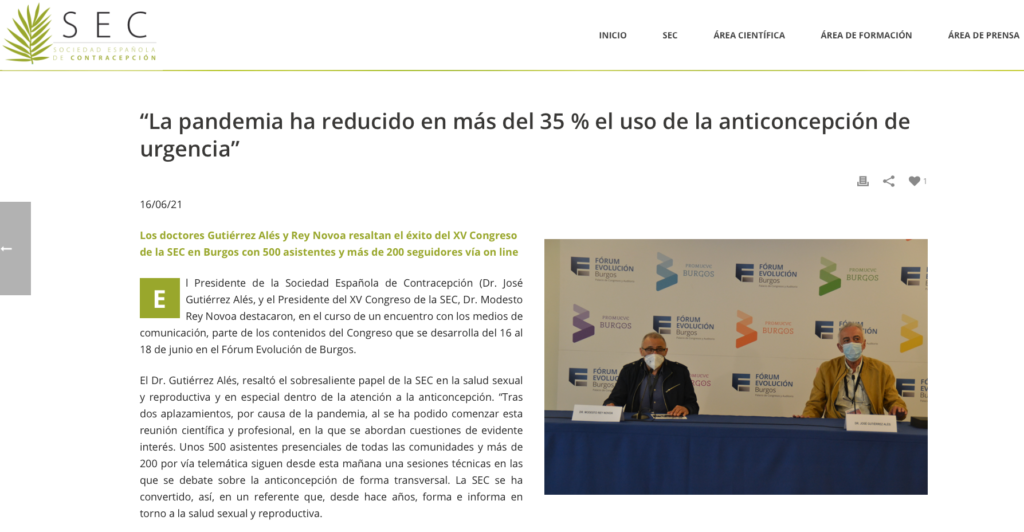

"Expanding knowledge and access
to emergency contraception"
"Expanding knowledge and access to emergency contraception in Europe"
July 2021. According to the Spanish Society of Contraception (SEC), use of emergency contraception pills dropped among women aged 25 to 30 and 35 to 40, from 38% to 2,7. Read more here:
September 2022. FRENCH: Le 26 septembre (Journée mondiale de la contraception), le Centre national de référence pour la promotion de la santé affective et sexuelle (CESAS) du Luxembourg, organise le webinaire macontraception.lu. L’ECEC est heureuse de participer avec une présentation sur les progrès réalisés et les défis restants pour l’accès à la contraception d’urgence en…
July 2020. A mystery shopper study recently published in the BMJ Sexual & Reproductive Health (PMID:32554399, Full text) explores the standard of care around accessing EC from community pharmacies in the United Kingdom. The study concludes that while availability of EC from pharmacies has improved access, the need to have a consultation with a pharmacist introduces…
September 2019. In Malta, a women’s on-line discussion forum called for more sensitivity and clear direction for those wanting to buy emergency contraception (EC) pills from pharmacies. A series of articles published in The Times of Malta picked up the story and opened a discussion about the terms in which women obtain EC pills at the pharmacy,…
February 2026. A global review published in October 2025, highlights the important role sexual well-being plays in whether people continue using contraception. Drawing on data from 64 studies conducted between 2004 and 2023, the research found that around 5% of people who stopped using contraception—despite still wanting to prevent pregnancy —did so because of concerns…
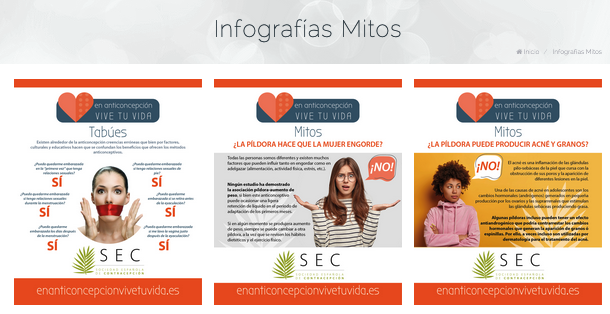
March 2023. Sexual education is not mandatory in Spain, and the educational system does not guarantee the provision of adequate sexual education. As a consequence, the knowledge of contraceptive methods is riddled with myths and hoaxes, some of them very deep-rooted. The Spanish Society of Contraception (Sociedad Española de Contracepción) works to dispel theses myths…
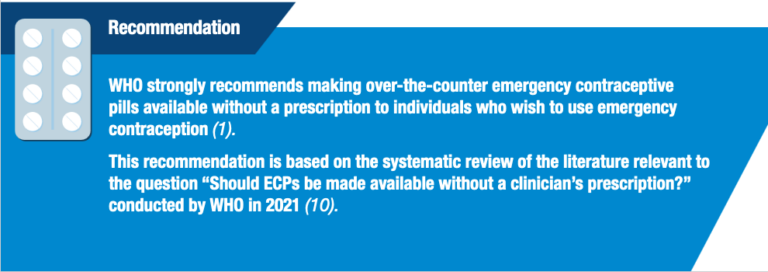
April 2024. In 2022 the World Health Organization (WHO) included the recommendation of “making emergency contraception pills available without prescription”, in its Guideline on Self-care interventions for health and well-being. The recommendation was based on a systematic review conducted in 2021. Now WHO publishes a technical document to further disseminate this recommendation and the evidence behind it. A…
Menú