Spain: EC use drops due to the pandemic
July 2021. According to the Spanish Society of Contraception (SEC), use of emergency contraception pills dropped among women aged 25 to 30 and 35 to 40, from 38% to 2,7. Read more here: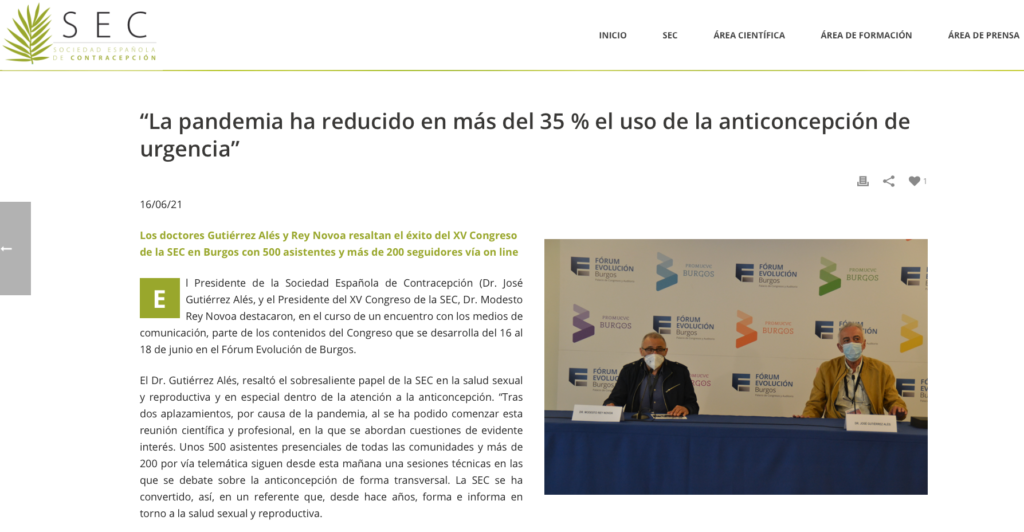

"Expanding knowledge and access
to emergency contraception"
"Expanding knowledge and access to emergency contraception in Europe"
July 2021. According to the Spanish Society of Contraception (SEC), use of emergency contraception pills dropped among women aged 25 to 30 and 35 to 40, from 38% to 2,7. Read more here:
Data from the study “Women’s perception of emergency contraceptive pills” are now available. The study examined Spanish women’s opinions and knowledge on hormonal EC. The researchers’ findings included the following: 84% of Spanish women consider that having the emergency contraceptive pill (ECP) available is a major breakthrough for woman. 76% considered that the ECP is…
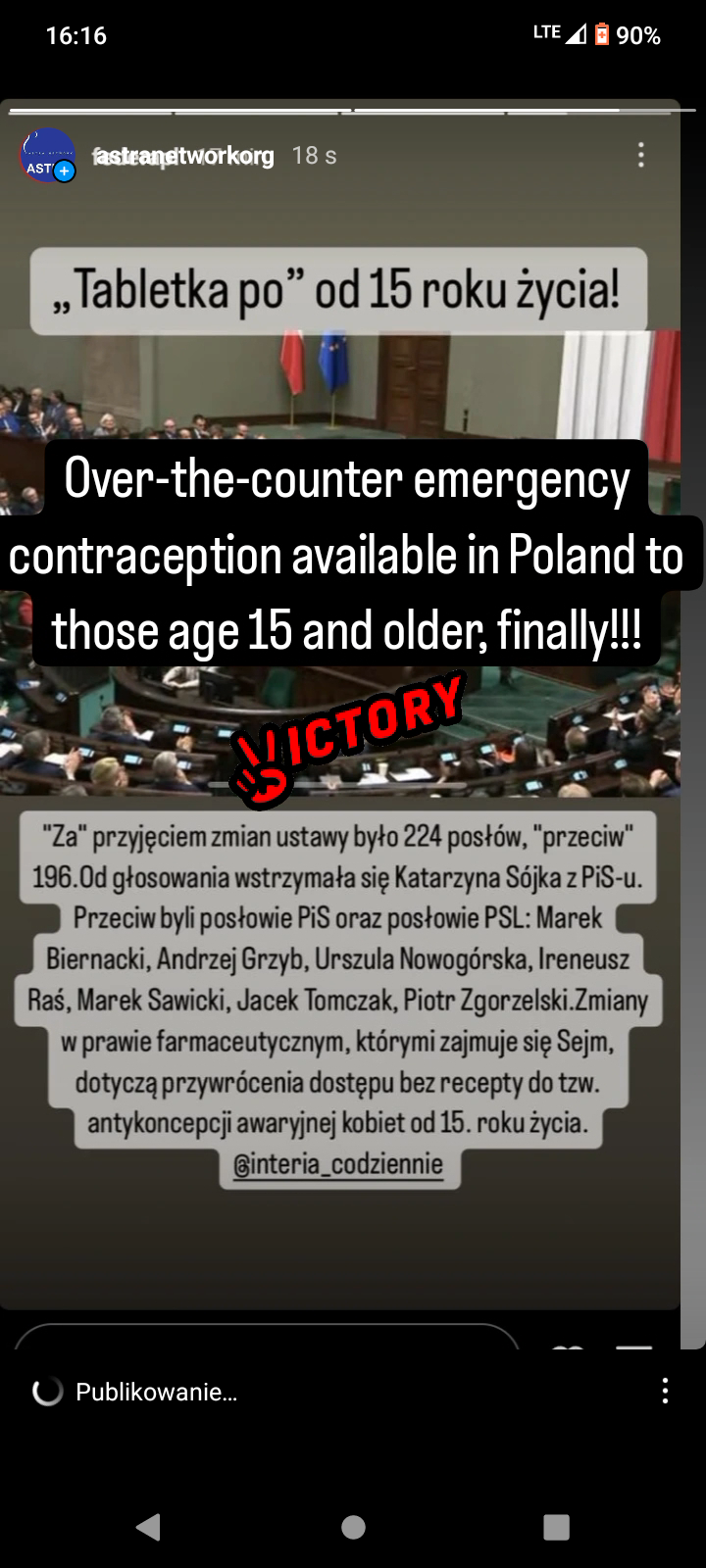
February 2024. On February 22, the Polish Parliament voted to approved access to emergency contraception pills without a prescription for individuals aged 15 and over. Following the approval by the Parliament, the bill will proceed to the Senate for further consideration. Upon approval by the Senate, the bill will then require the President’s signature to…
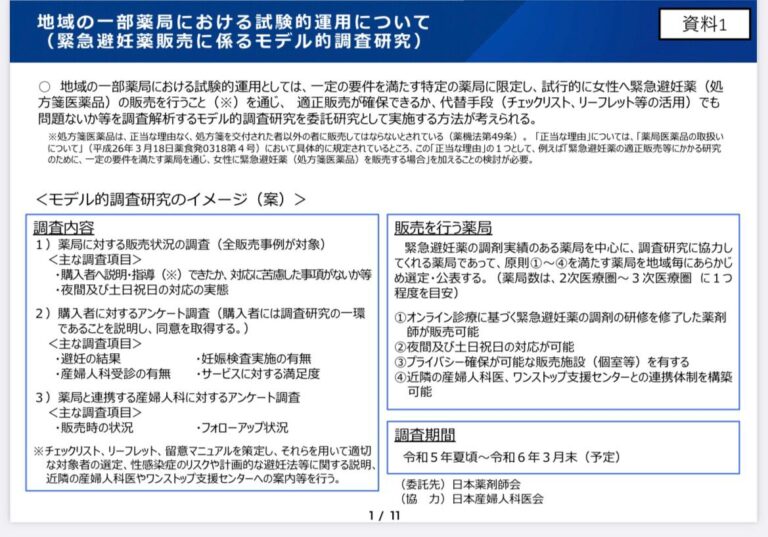
November. According to Kyodo news agency, the trial of a new modality to dispense emergency contraception pills (ECPs) without a prescription in Japan, began on November 28. The Health, Labour and Welfare Ministry will test out this modality in 145 pharmacies (of more than 60.000 in the country). Japan is one of the few northern hemisphere countries where…
December 2023. The Reproductive Health Supplies Coalition (RHSC) and the Clinton Health Access Initiative (CHAI) just published 9th edition of The Family Planning Market Report (2023). Featuring data from 17 suppliers, the report looks into public sector contraceptive procurement in low- and lower-middle income countries. The report is an excellent information and analysis tool for…
In July 2015, the Portuguese Society of Contraception released Recomendações sobre Contraceção de Emergência, a guide for emergency contraception provision. The recommendations are based on WHO guidelines as well as ECEC’s guidelines. The guide will officially be presented at the Society’s annual meeting in September 2015. The Society is already working closely with pharmacists to…
April 202. According to UNFPA’s 2021 State of World Population report, published on April 14, nearly half of women in 57 low income countries are denied the right to decide whether to have sex with their partners, use contraception or seek health care. This is the first time a United Nations report focuses on bodily autonomy: the…
Menú